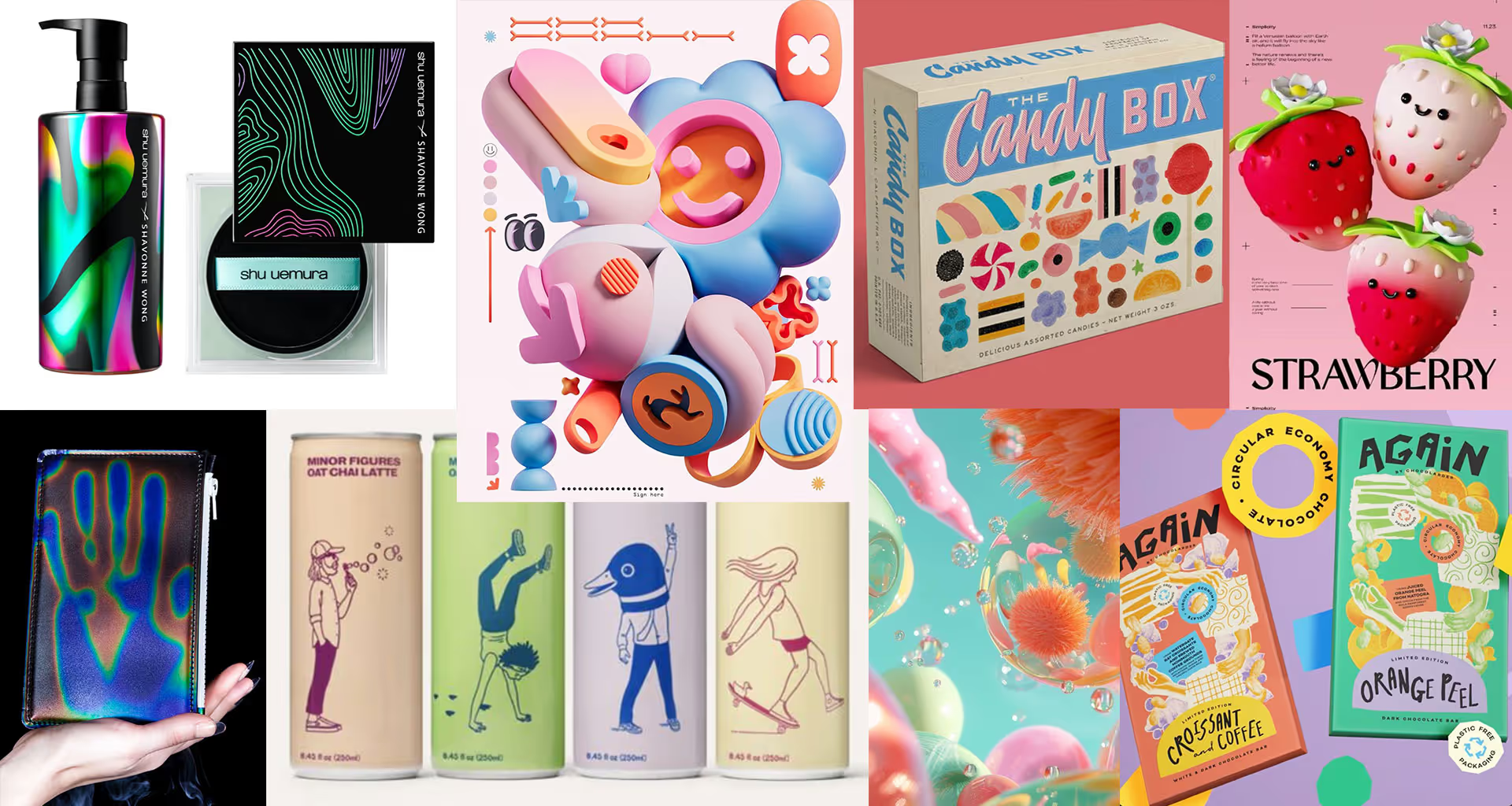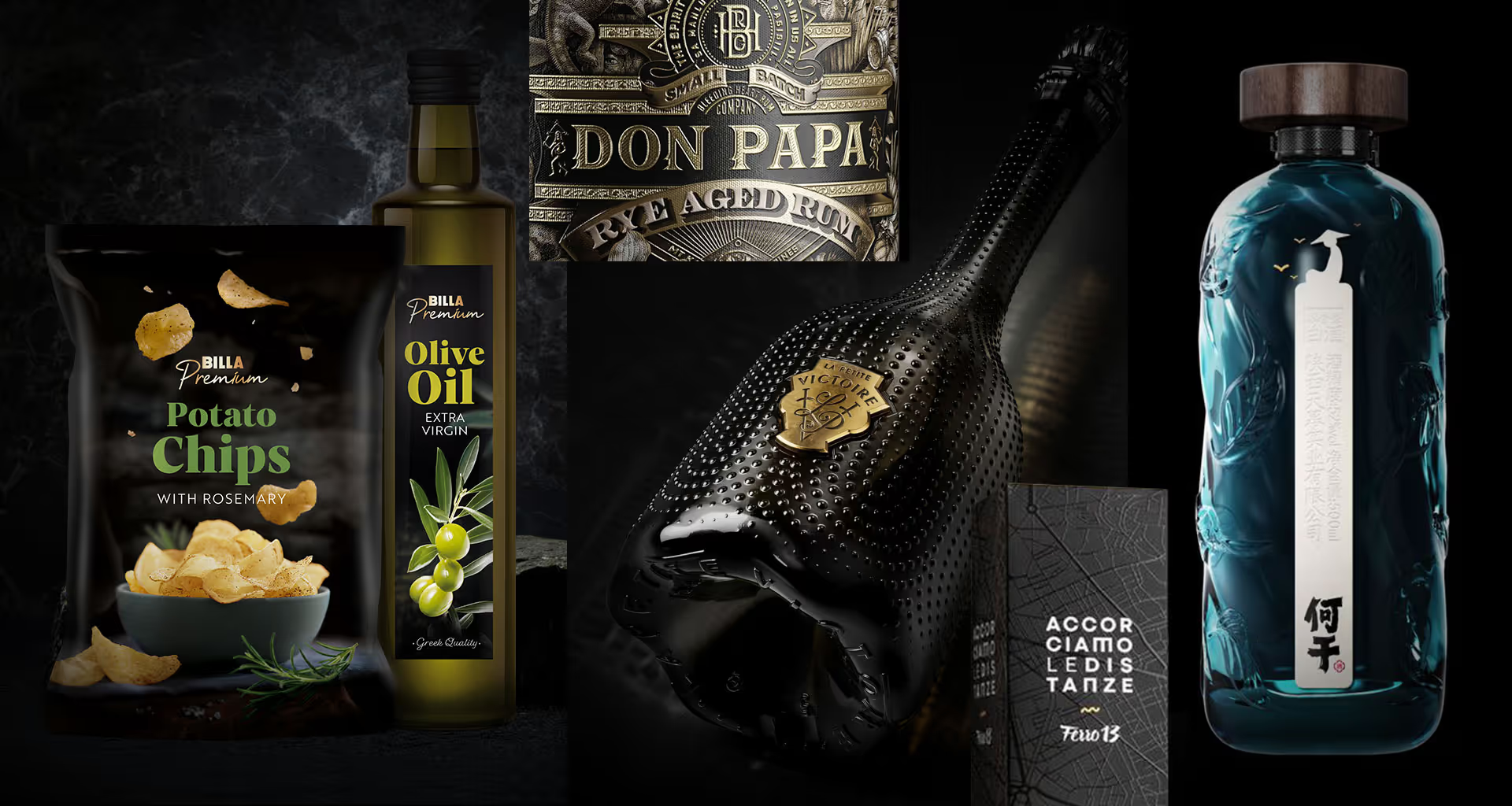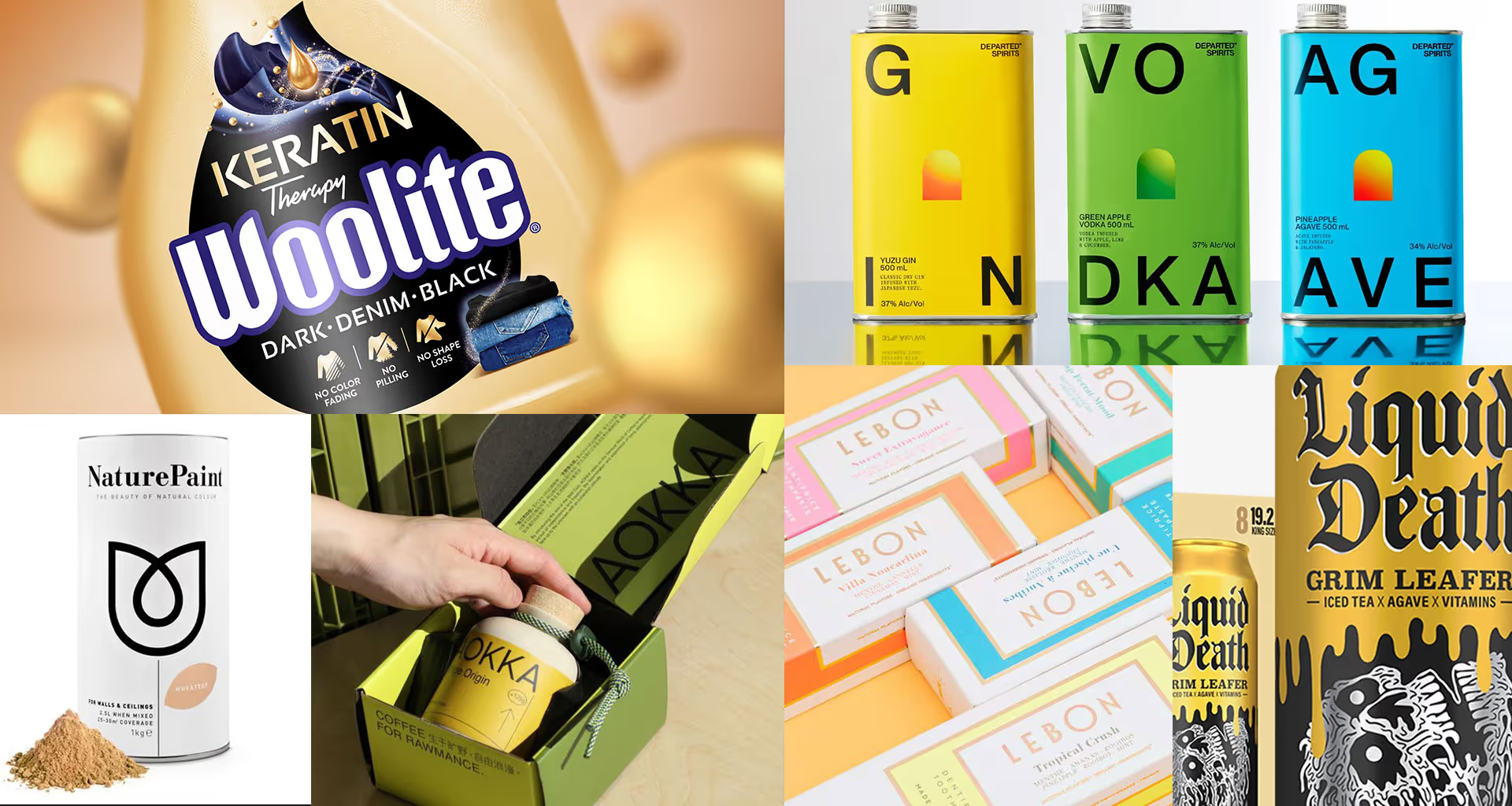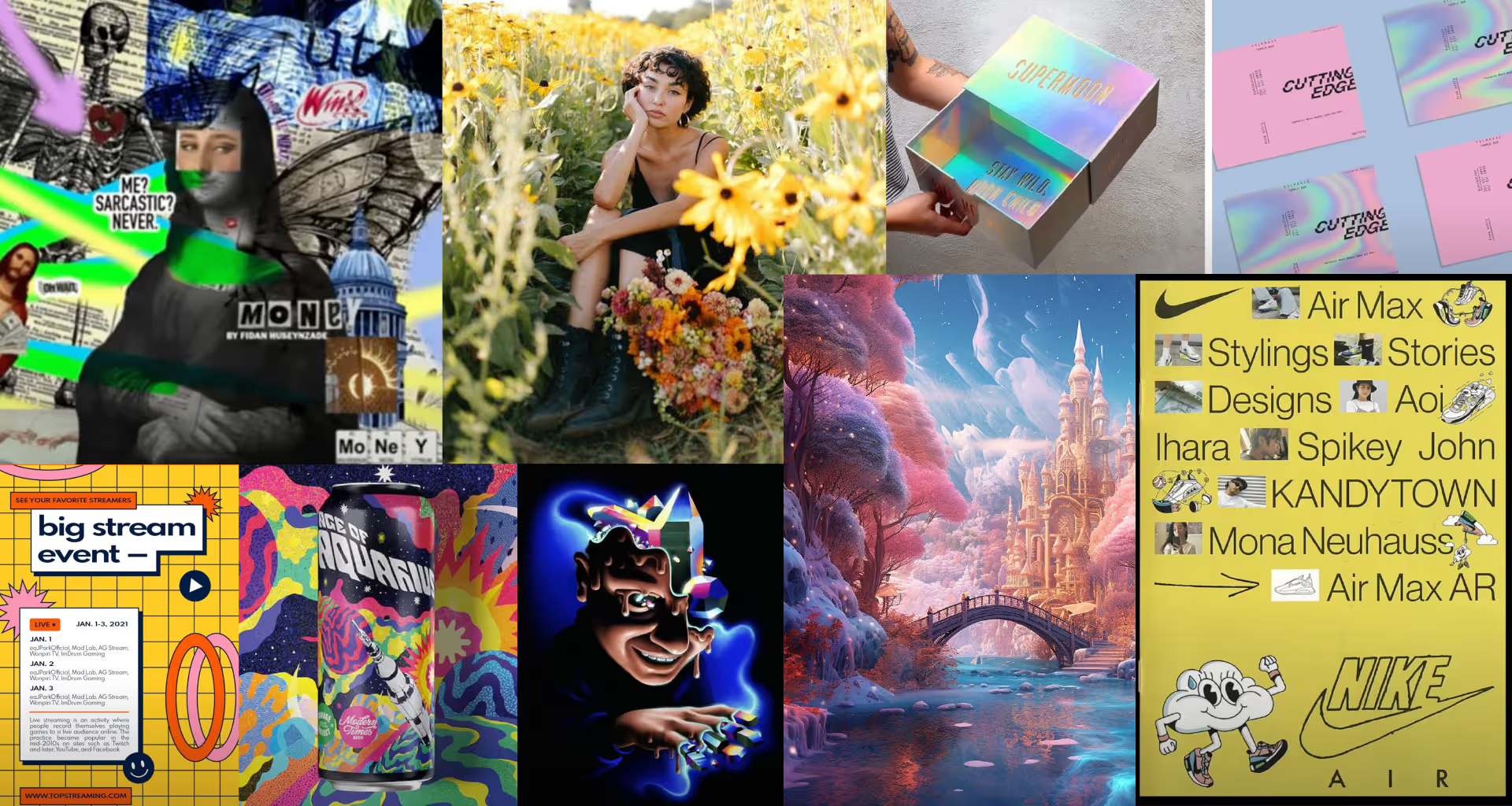
In Western European countries, especially in England and the Netherlands, private labels have a much longer history and are perceived differently than in Poland.
Their packaging long ago travelled the road from a blank label reading ‘CHOCOLATE’, through chocolate imitating Milka, all the way to unique and innovative solutions.
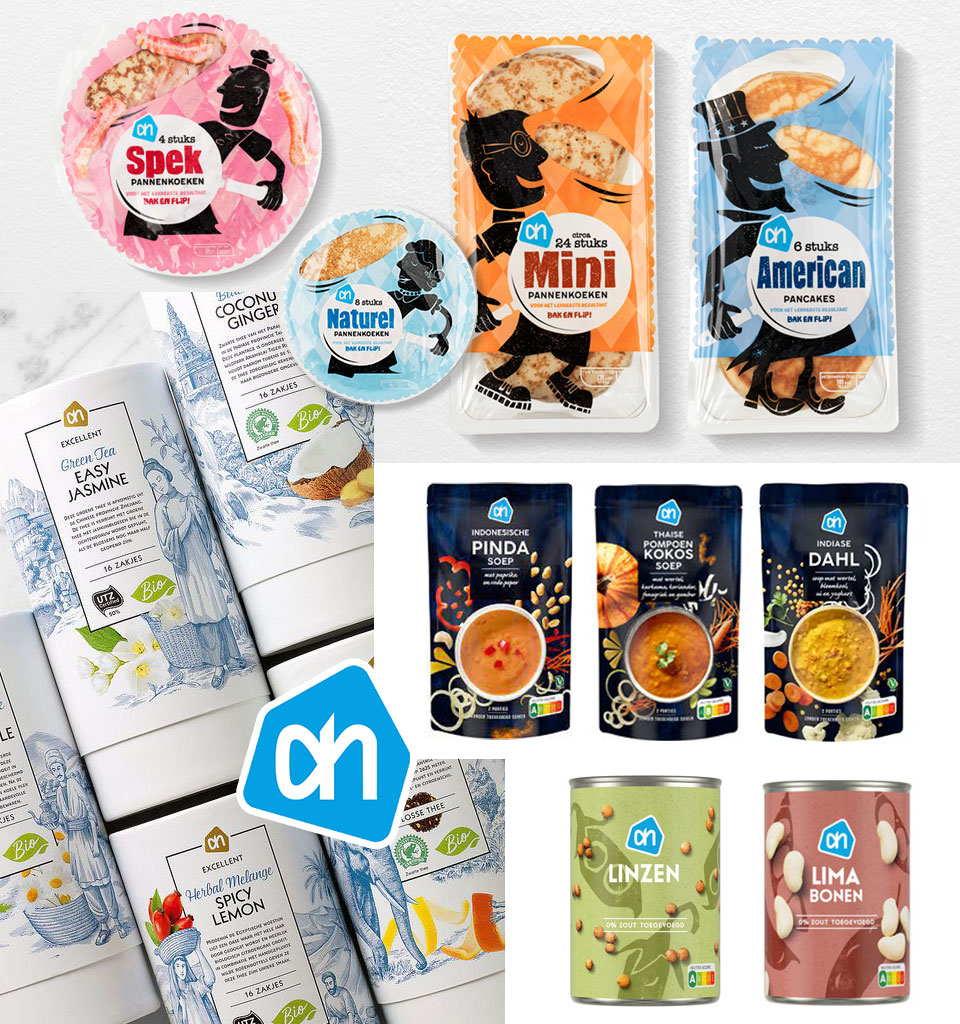
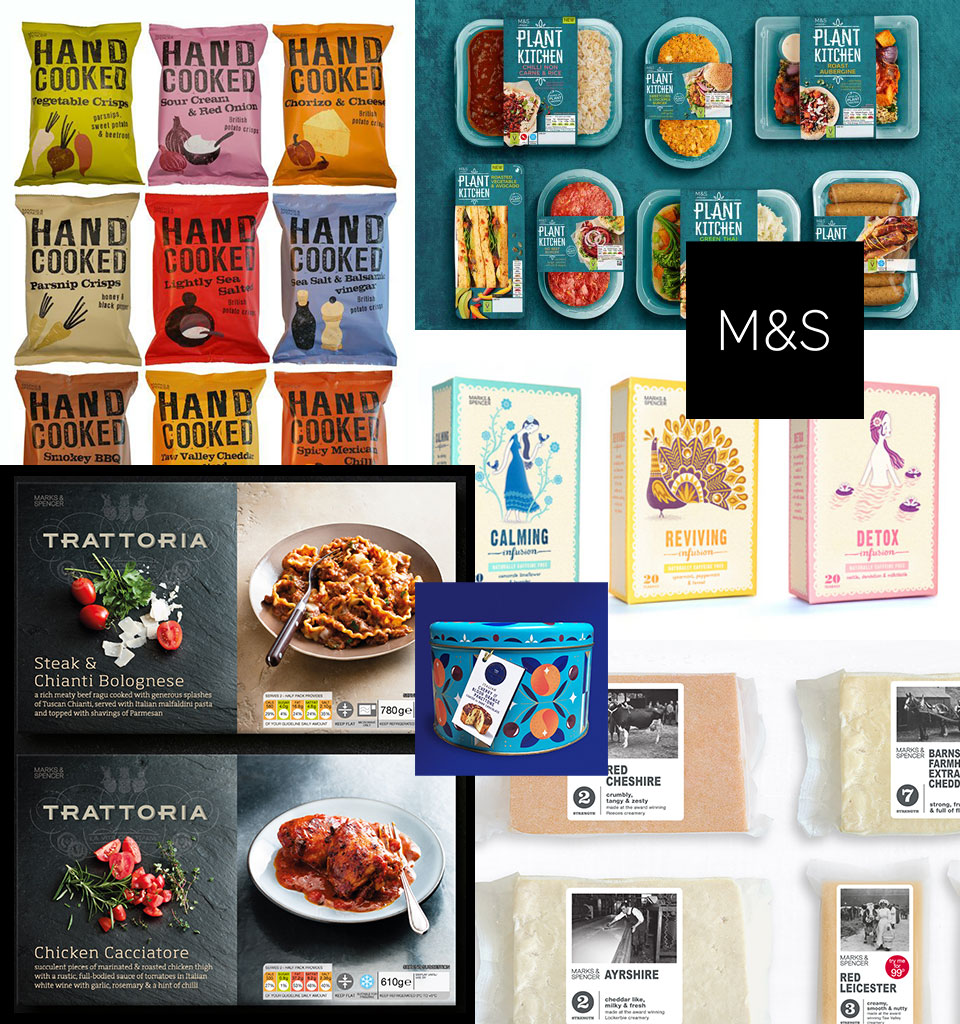
This revolution is reaching us too. Do you remember the days when a private label meant only a cheap, poor-quality product that you bought only when your bank account resembled a desert? Those days are long gone.
The development of private labels in Poland resembles a spectacular make-over straight out of the show ‘Extreme Makeover’.
Let's take a step into the past and see how their role has changed in Poland and around the world over the last few years.
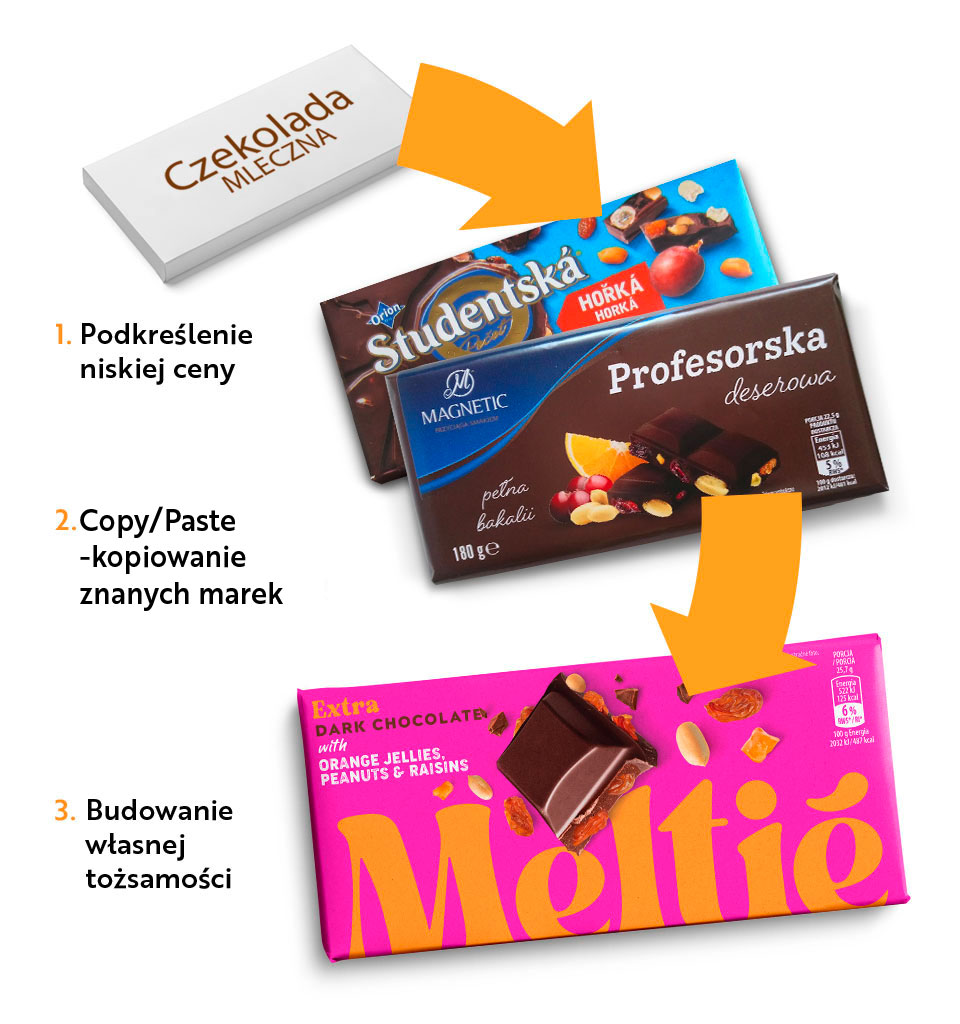
In the 1990s, these were products for those who didn't want to spend a fortune and didn't expect quality. The packaging looked as if it had been designed by a lady from the Różycki Bazaar during her coffee break. Lots of everything and, at the same time, zero information, zero design and zero emotion, and the only narrative was the one running through the buyer's head: ‘Alright, I'll give it a go… maybe I'll survive’. A private label meant a compromise — and we all knew it.
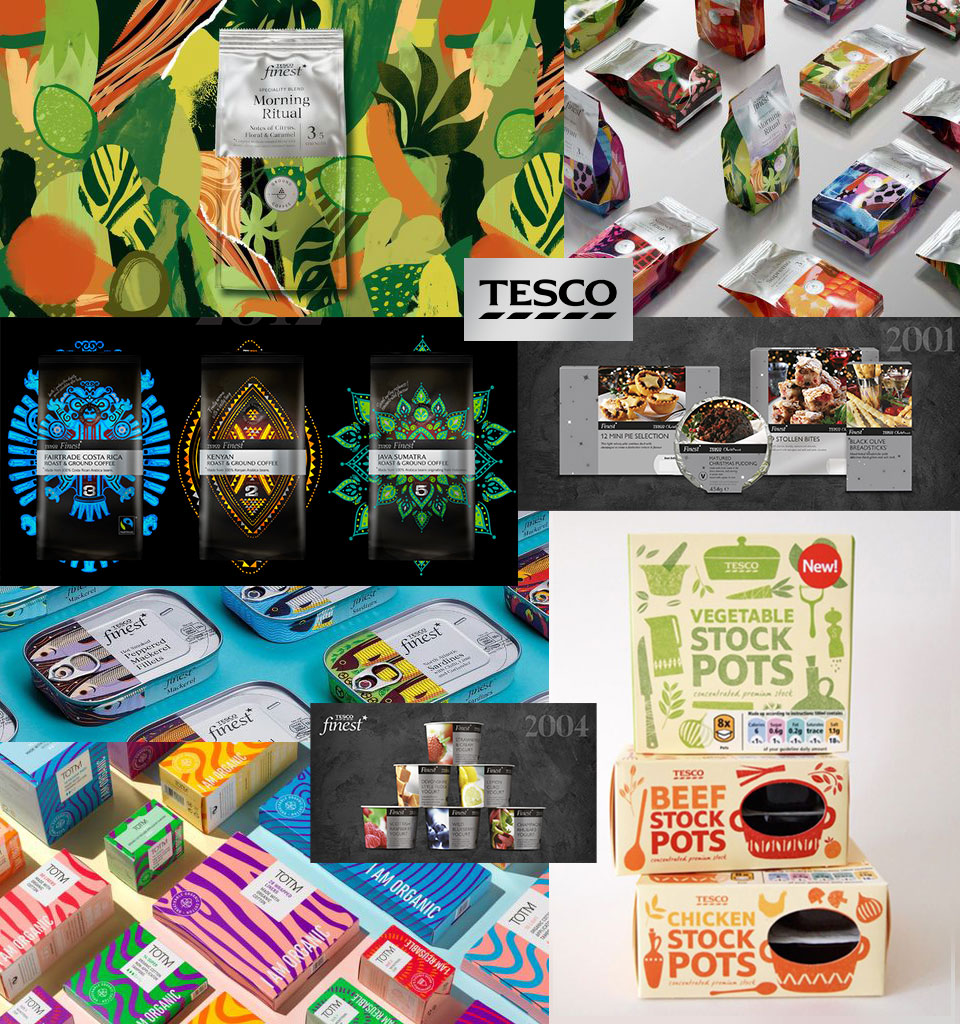
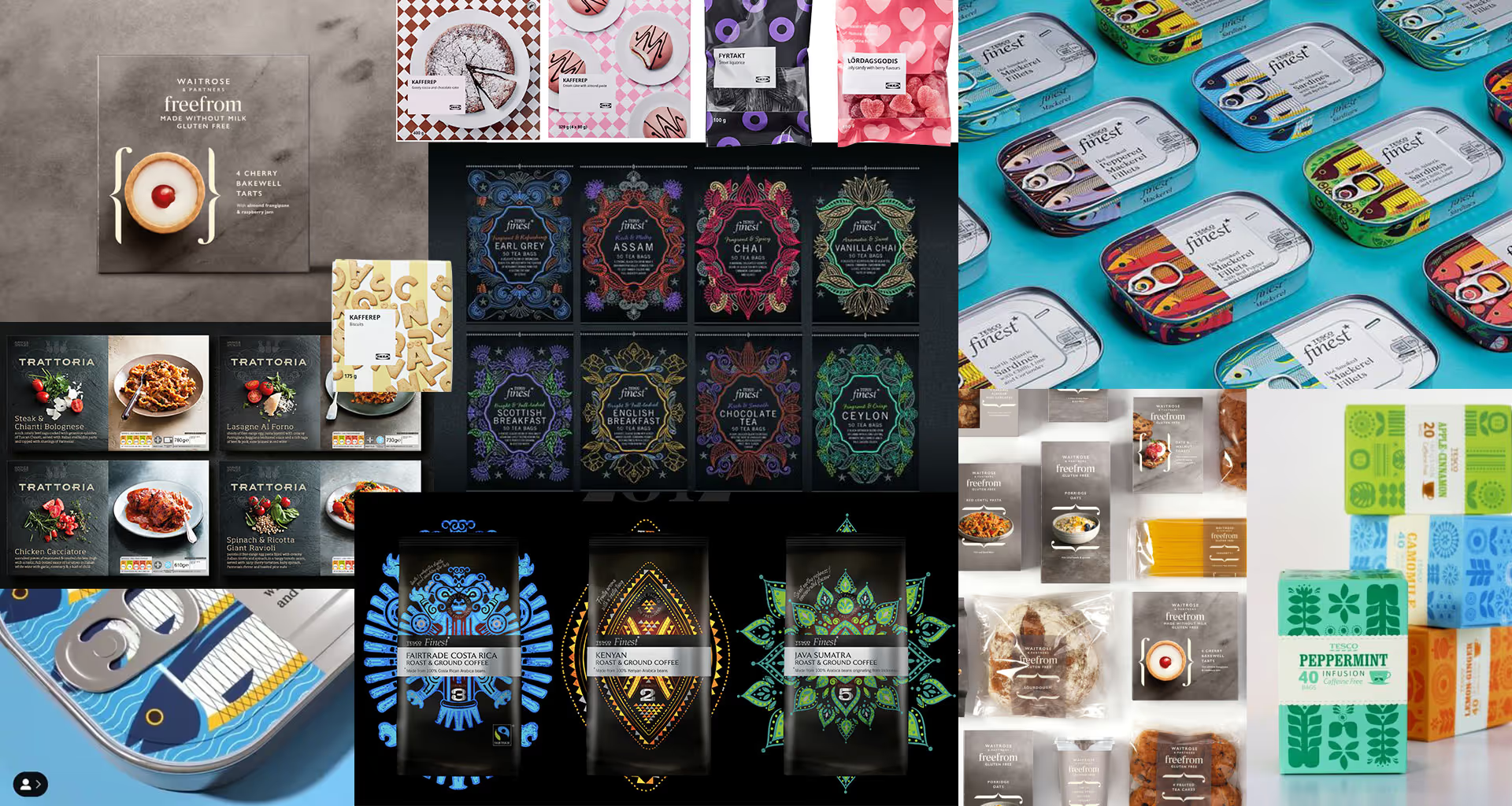
Beyond our borders, in England, the first breakthrough moment in private-label design was the relaunch of the Tesco Finest line in the early 2000s. They were the first to dare to use black and silver in packaging designs previously reserved only for the premium shelf.
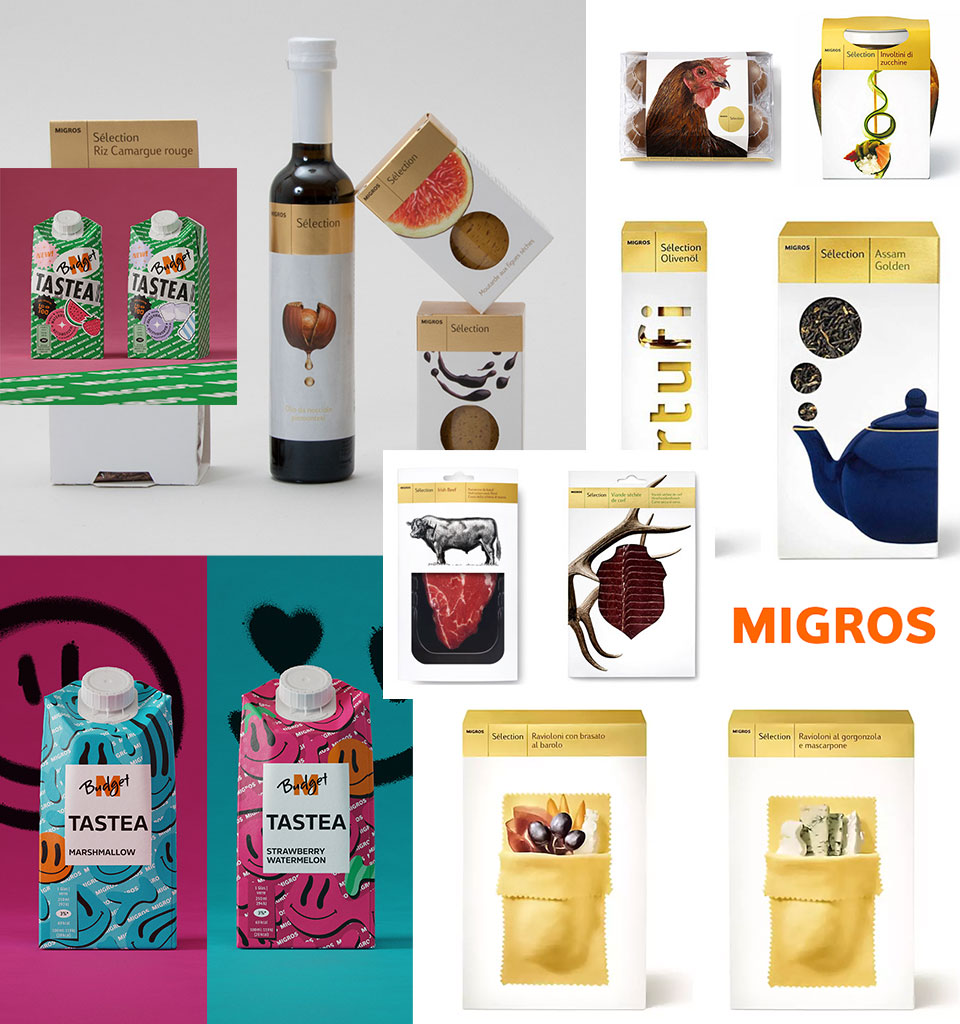
The next spectacular step was taken by the Swiss brand Migros, breaking away entirely from the schemes that had governed private labels until then. Then the avalanche started. In some countries, a Copy/Paste policy still persists — private labels passionately copy well-known brands. This is, however, an increasingly rarely used strategy, because as consumer awareness and the fashion for authenticity grow, it works less and less well.
Since the mid-1990s, Western private labels have been recognised at the most prestigious design competitions, such as the Pentawards or the Red Dot Design Awards.
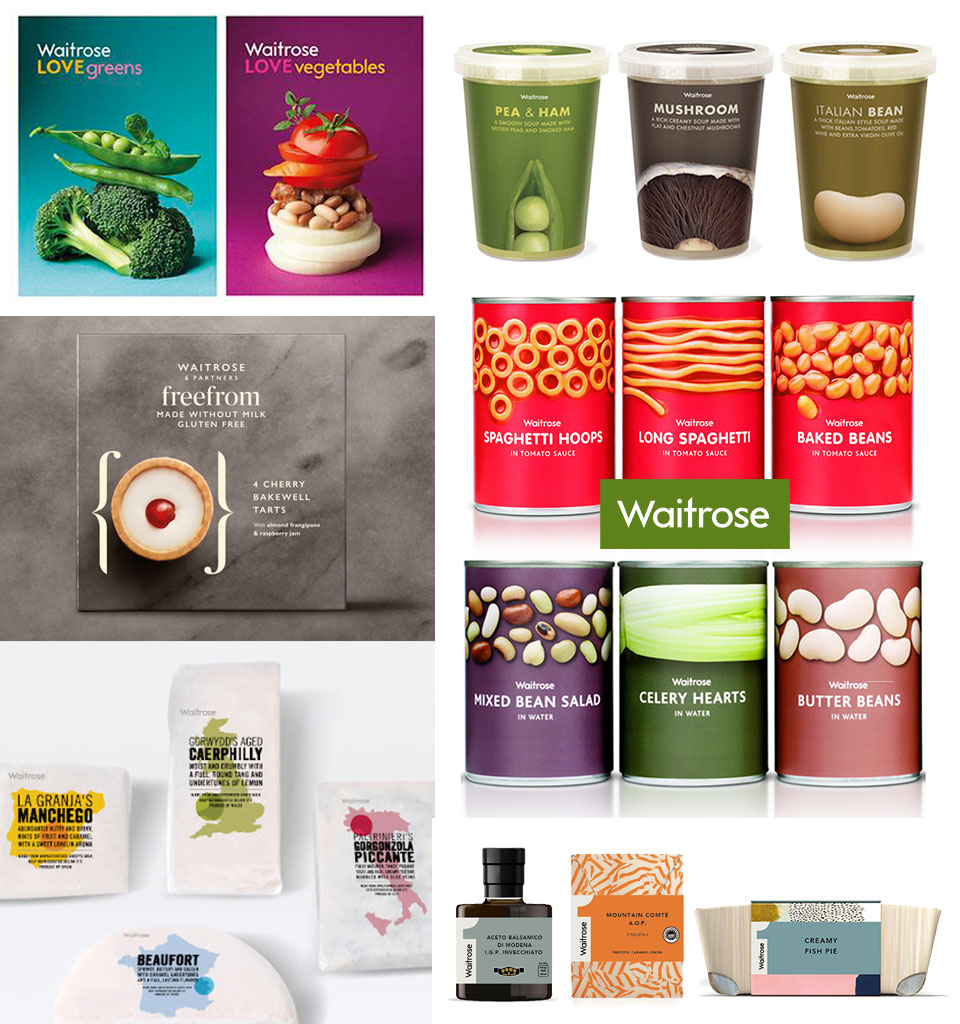
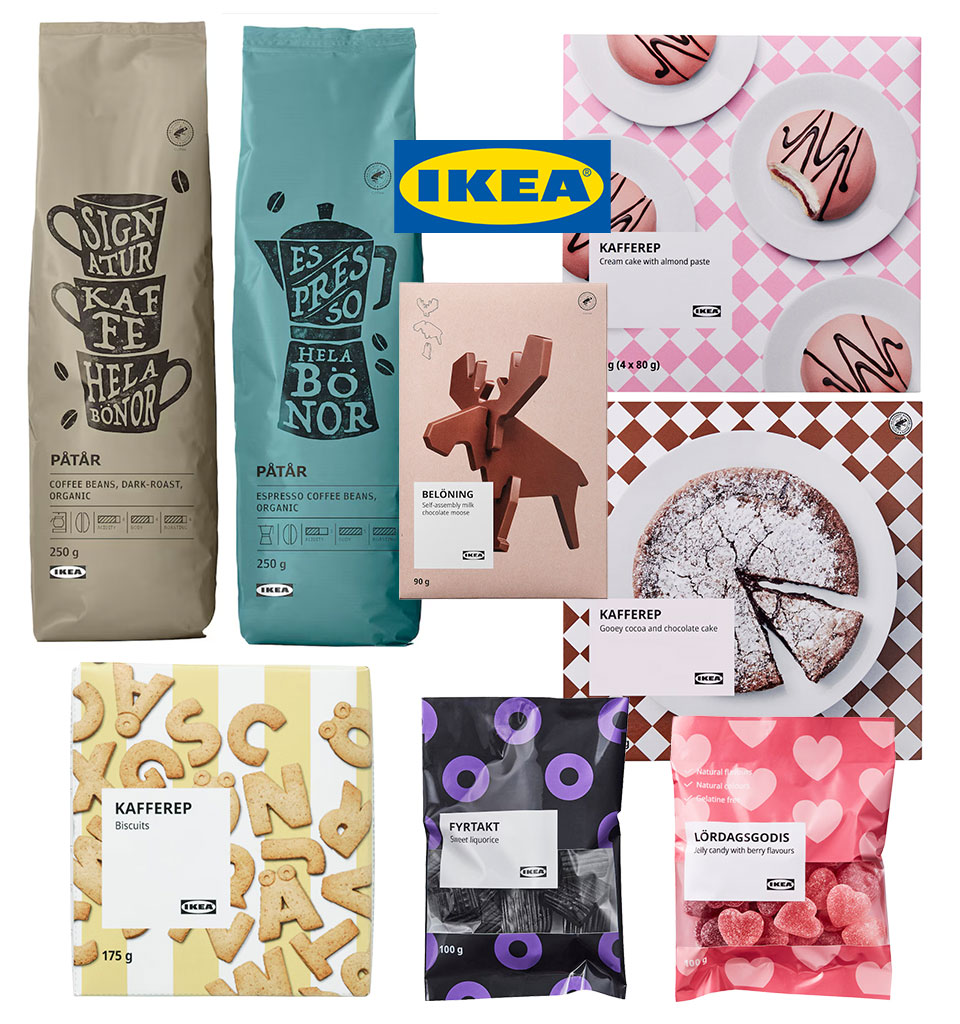
They also win more and more awards in other fields (marketing strategy, innovation and sustainable development), which further strengthens their market position. They are like pop stars – they know their worth, they're stylish, they look good and they know how to play on emotions.
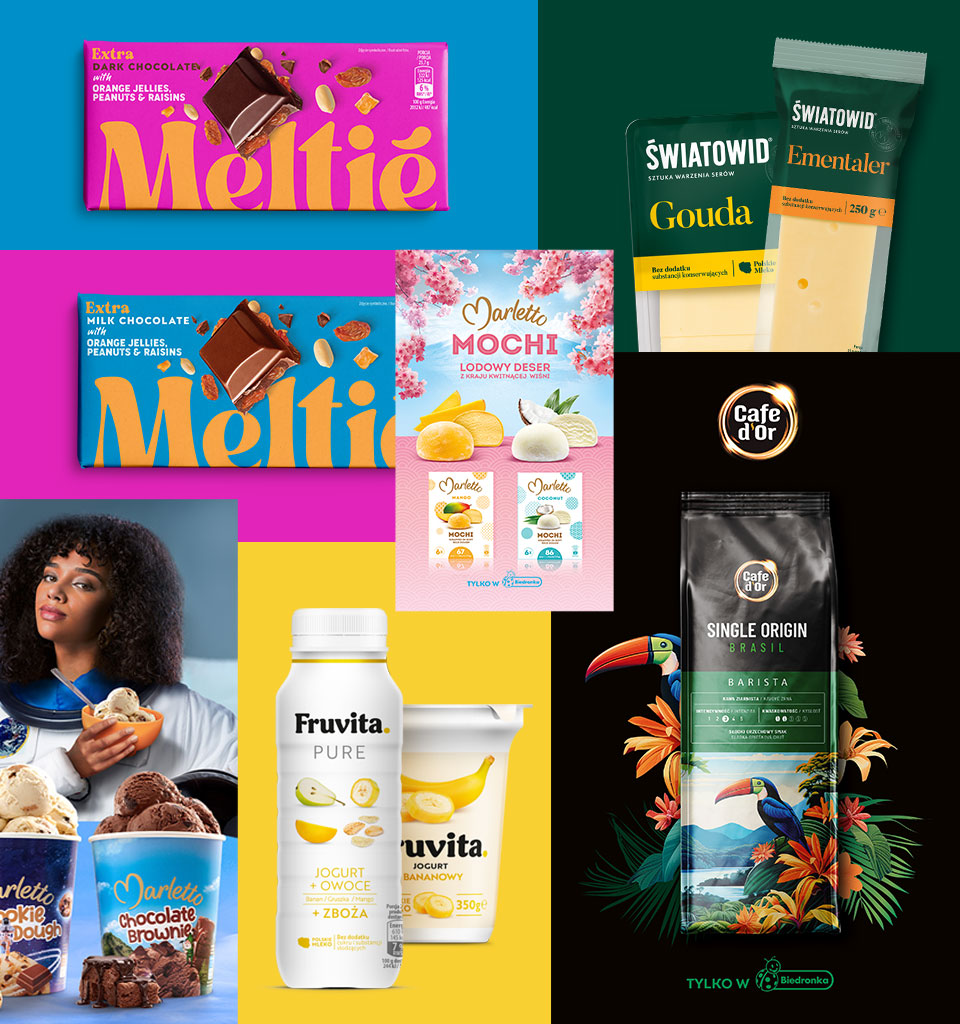
In Poland, too, they are becoming fully-fledged market players thanks to the skilful building of their identity. In the stories around their products, they focus on transparency, quality, social and ecological responsibility, and also on the lifestyle their customers aspire to.
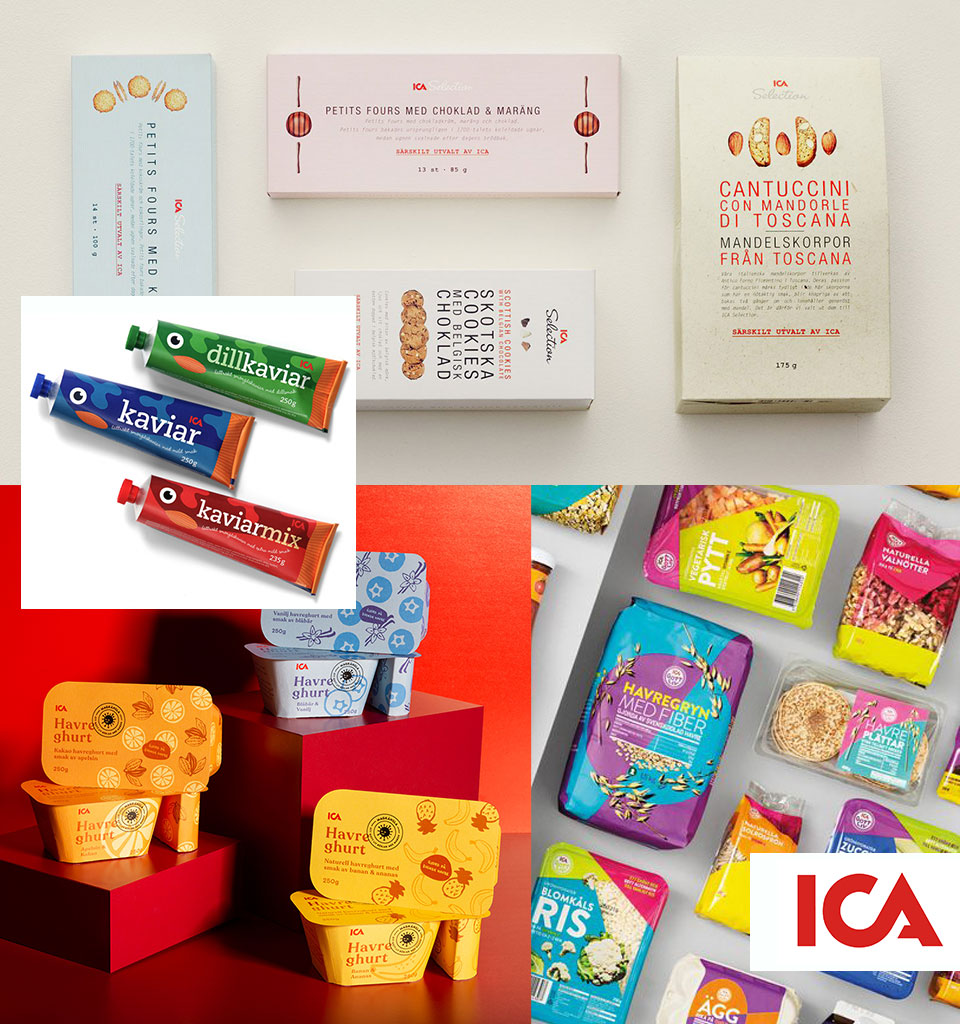
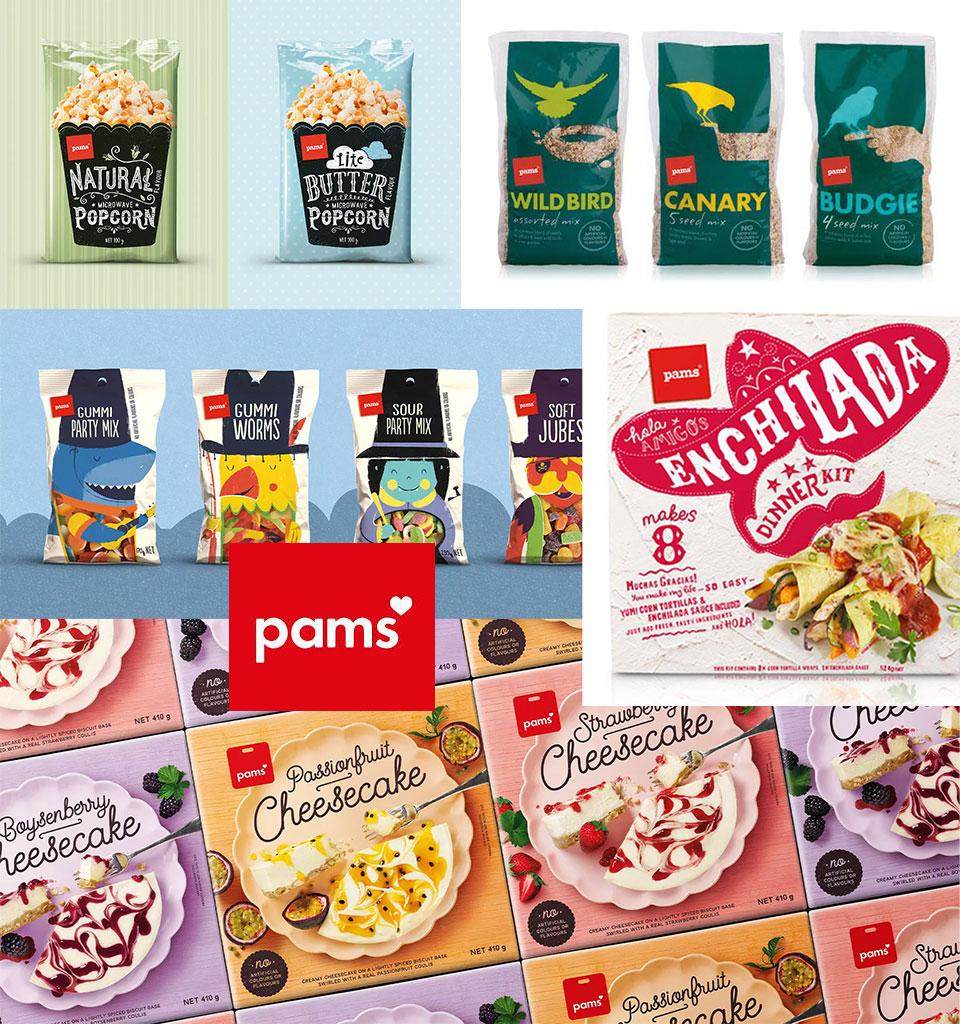
Retail chains are developing their e-commerce and investing more and more in promoting their brands on television, on social media and even among influencers.
Those who once wouldn't have touched a private label even with a bargepole now proudly pose on Instagram with eco-friendly cosmetics and luxury snacks that cost as much as a bottle of water.
The same has happened to us – packaging designers! It's high time we started thinking about private labels in a completely new way. We can stand aside and passively watch what happens, or become part of the change and push this revolution forward. Enough with Copy/Paste! Our designs have to inspire, stand out on the shelf, build a story and an emotional connection with the consumer.
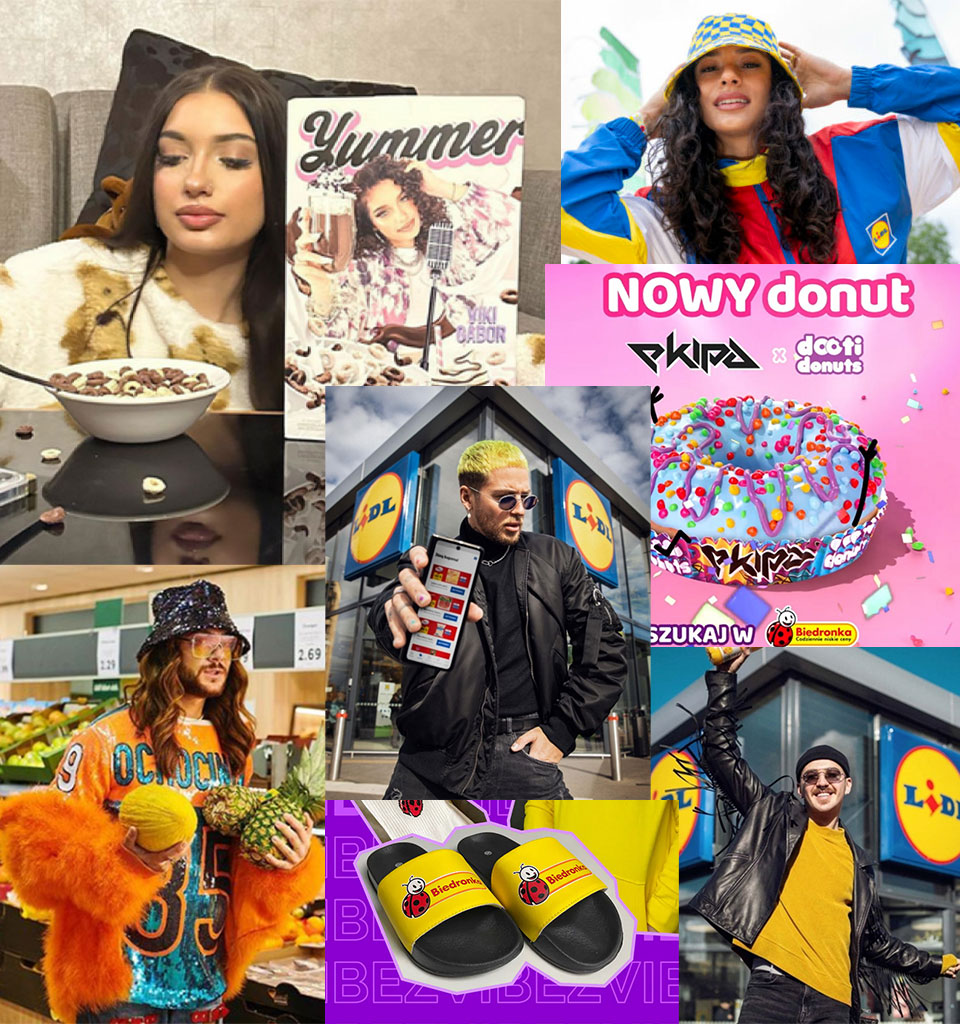
It's fair to say that private labels are entering their golden era in Poland too. From a cheap alternative, they are turning into a luxury for the thrifty and a smart choice for everyone. Remember that as you walk down the street with bags stuffed full of shopping from Lidl. You're a trendsetter then. And when you put on flip-flops with the Biedronka logo, it's as if you were wearing flip-flops with the Nike logo, no less 😉